

World Vision introducing improved farming techniques to farmers in remote areas of East Timor
In remote areas of East Timor, World Vision is helping families to provide their children with a more reliable and nutritious diet. The introduction of vegetable crops including potato, cabbage and carrot is an important step to securing a healthy future for local communities
The 2005 conflict in East Timor aggravated this young nation’s food supply problems when thousands of people fled to impoverished rural villages to try and escape violence in the capital, Dili.
In the villages, many families struggle to survive on one meal a day. Mountainous terrain, poor soil, strong winds and heavy rains make it extremely difficult for farmers to grow traditional crops.
With funds raised from the 40 Hour Famine, World Vision has been working with rural communities in East Timor on a number of food and nutrition projects that include:
+ Introducing new farming methods and providing farmers with modern tools and higher yielding seeds
+Introducing vegetable crops to improve children’s intake of carbohydrates, proteins and other nutrients
+ Developing goat, chicken and fish farming to give families new sources of food and income
+ Providing mothers with nutrition education.
+ In one community, potato seeds have been planted and local farmers have worked together to terrace the mountain slopes. Chinese mustard, bok choi, Chinese cabbage and carrots have also been introduced.
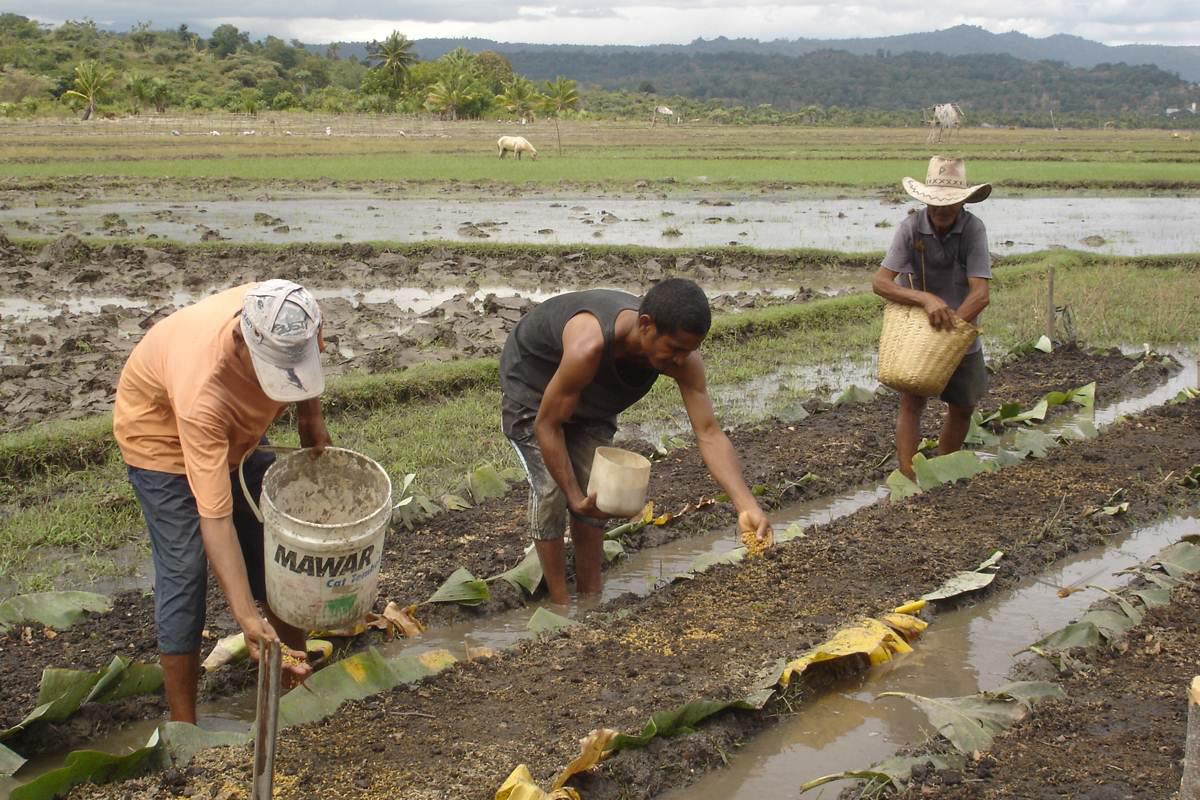
At the same time, village health posts are working to address malnutrition and stunting in children. Mothers have attended nutrition clinics and learned how to make the most of the ingredients available to them.
Amongst other things they are being encouraged to replace rice, which is becoming increasingly expensive, with cassava, another good source of carbohydrates. Providing children with a balance of cassava, corn, beans and locally grown vegetables is being promoted as a way to meet their daily nutritional needs.
Courtesy: Hadi Laghari
 Author: admin


