


 RSS Feed
 Email
 Twitter
 Facebook
Seasonal Fluctuations In Tomato Market
 Twitter
 Facebook
 Delicious
 Digg
 Stumble
 Reddit
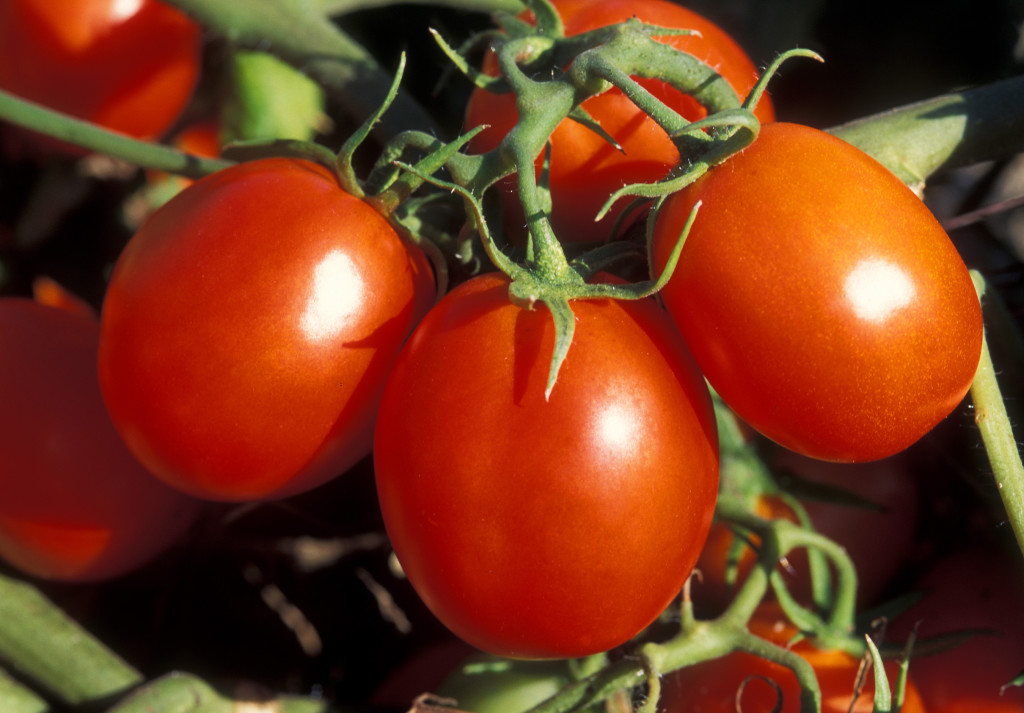 As tomato prices shoot through the roof, the provincial governments, especially Punjab, are in the middle of administrative measures to check the trend.
But beyond these measures, there is also a need to look at the deeper causes of the spike, which has almost become annual ritual during November and early December.
The roots of the problem are deeper: cyclical production pattern, weakening rupee, ever-increasing oil prices taking freight charges higher and higher, double digit inflation and last, but not the least the nation’s dietary habits.
During these two months, the crop comes from the rain-fed areas of Khyber-Pakhtunkhwa and Balochistan. Since it is weather dependent production, the yield is naturally low, creating a huge gap between inelastic demand and fluctuating supplies. To make the matter worse, these are also far flung areas considering their distance from demand centres like Lahore and Karachi. The freight charges thus assume crucial importance. With diesel now costing over Rs117 per litter, even a smaller transport vehicle costs over Rs100,000 to bring them to these centres.. The entire transportation cost is thus shifted to commodity price, which, in most of the case, is much higher than the cost of commodity production.. Thus, two factors (low yield and high freight cost), feeding each other, take the vegetable out of financial reach of urban dwellers.
That is seasonal. Two months down the line, when crop from the irrigated area of Sindh and Punjab, with massive yield, would hit the market, the pendulum would swing to other extreme.
Prices, on average, would drop by 60 to 70 per cent – from current Rs125 per kilogramme to Rs40 for each kilogramme. By that time, the Indian tomato would also land in the market, taking the price further down. With the import of hybrid tomato from India, where farming is subsidised, the prices would crash to hurt local farmers. This pattern has been going on for the last many years, and worsening each year – needless to say without check on the causes.
But, yes they cause jitters in official circles every November when the entire provincial machinery is moved, sellers arrested and tomato starts disappearing from the market. Within two months, when prices fall due to the recurring reasons, the government consoles itself that it has controlled the prices and moves on till next price curve.
Two additional factors, which are permanent and also reinforce each other, only make this impact worse and damage the farmers. Firstly, it is our consumption pattern. People prefer consuming farm-fresh tomatoes. Being perishable commodity, it has to be consumed within a few days of harvesting. That means smaller time margin between plucking and using. It only adds urgency to selling and buying. A huge majority of people also does not go for the cooking alternatives like yogurt.
Because of this (freshly harvested) eating habit, there has been no pressure to add value to tomatoes. The world has created dozens of products from this vegetable, which are used round the year – absorb cyclical shocks and bring price stability.
The value-addition, as a concept, is yet to take roots in Pakistan. It adds only 16 per cent value against over 80 per cent in the developed, even in some developing, world. That is why all weather problems, natural calamities and production losses – and even cyclical factors like the current one — directly and regularly hit the tomato market and consumers.
It is time to develop tomato value-addition industry, which can provide stable products during time of crisis like this one and also soften the glut when entire crop lands in the market during first quarter of every year. Even the Indians have developed huge value addition industry in areas where tomato is cultivated. They process tomato just across the border in the East Punjab, and take it to regions around.
In order to deal with such price volatility, the country needs to develop strategy for each crop, especially perishable one like tomatoes. The planning should not only measure its demand but timing of the demand as well. It should also see where a vegetable should be produced, taking into account weather and transport factors. With freight charges skyrocketing world over and expected to remain so in foreseeable future, transportation costs should be part of the essential strategy. To cap them all, it has to develop value addition industry, considering the natural crop endowment.
In overall economic context, where rupee is weakening by the day, oil prices going up and inflation in a run-away mode, how can government keep tomato price stable? No one really knows.
Dawn
Incoming search terms:
- how can an Agricultural product like tomatoes be affected by the seasonal price fluctuation