


 RSS Feed
 Email
 Twitter
 Facebook
Pakistan losing yarn market to Vietnam
 Twitter
 Facebook
 Delicious
 Digg
 Stumble
 Reddit
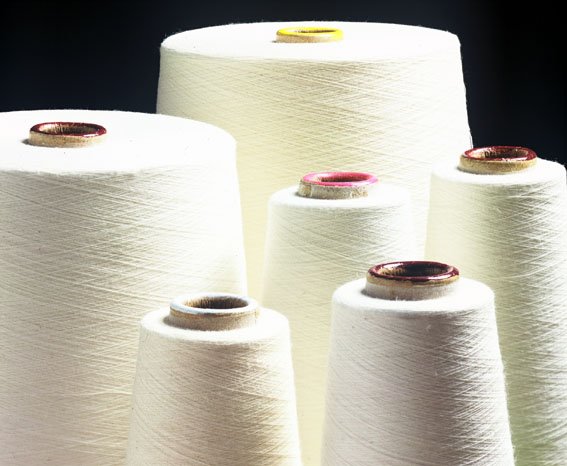 After surrendering a significantly big part of international textile clothing market to its regional rivals, especially Bangladesh, since the abolition of quotas, Pakistan is now fast losing its cotton spun yarn markets to the much cheaper Vietnam.
Cotton spinning in Vietnam has more than tripled in the last four years, with the total use expected to shoot up to 5.1m bales in 2015/16. During this period, the country accounted for half of the total world growth in cotton demand, according to the USDA cotton report for January.
Vietnam’s net yarn exports increased at an annual rate of over 40pc between 2011/2016. This growth is paralleled by the large rise in China’s investment in spinning in Vietnam alongside wholesale relocations of some firms.
Pakistan’s cotton yarn exports, on the other hand, have been on the decline for the last couple of years owing to surging cost of production on account of sharp spikes in energy prices and shortages. Yarn shipments tumbled by almost one-third in the first half of the ongoing fiscal year to December as overall textile and clothing exports plunged by about 9pc to $6.269bn from a year ago in spite of EU trade concessions under the bloc’s GSP+ scheme.
Vietnam is not only eating into Pakistan’s market share of cotton spun yarn, warn apparel exporters. It is also capturing the world clothing market at a fast pace because of its lower cost of production and is likely to become the most favourite destination of major American and European stores once the recently-concluded Trans Pacific Pact (TPP) and Free Trade Agreement (FTA) with EU go into operation.
‘Yarn shipments tumbled by almost one-third in the first half of the ongoing fiscal year to December’.
Cotton consumption for Vietnam’s domestic yarn utilisation has also shown impressive growth, more than doubling since 2011/2012. Thus, even as more yarn is being exported to China, according to the web-based magazine and a major resource of global textile and apparel industry news and analyses, Just-Style, Vietnam’s role further up the textile value chain is also growing.
International Cotton Advisory Committee (ICAC) estimates that Vietnam’s cotton consumption will surge by 22pc to 1.1m tonne in 2015/2016 and Bangladesh’s by 13pc to 1.1m tonnes compared with the 12pc decline to 2.2m tonnes in the cotton use by Pakistani factories.
The increasing cotton consumption in Vietnam and Bangladesh — both the countries grow very little cotton, and heavily rely on imports to meet their industry’s demand — is attributed to the lower cost of production due to cheaper energy and labour in the two countries.
After crossing the $14bn mark in 2009/10, Pakistan’s overseas textile and clothing shipments have been on the decline and dipped to $13.47bn at the end of the last financial year. Exporters fear that the exports will further fall well below $13bn this year with the basic textiles leading the downward trend because of rising cost of production and closure of almost 30pc capacity in Punjab where 70pc large-scale industry is located.
“The persistent decline in textile and clothing exports will adversely impact the government’s growth target for the year,” argued Aptma leader Gohar Ejaz. “I see government missing its growth target of over 5pc by a wide margin.”
Like most textile manufacturers, he was furious over the government failure to implement its commitments to the industry to help cut its cost of production and become competitive in the global markets.
He pointed out that the government had neither cut the electricity tariffs for the industry (by Rs3 per unit) as the prime minister had announced nor fully restored gas supply to the mills in Punjab. The effective power tariff for the industry remains Rs12 a unit and only 17pc gas is supplied to the factories and, that too, at double the exorbitant price of Rs600/mmbtu promised to the industry.
Leader of the Faisalabad-based Pakistan Textile Exporters Association (PTEA) Ahmed Kamal, who has recently been to Frankfurt, Germany, to participate in a textile fair, says “American and European buyers want to do business with us but are attracted by cheaper prices offered by our rivals like Bangladesh, India, Vietnam, etc.”
He says, “It’s not that only exports of low end, basic textile products from Pakistan are going down, our home textiles have also lost their competitiveness because of higher cost of production.
“Unless the government honours its promises of reducing the energy prices, facilitates the buyers’ travel to Pakistan, returns the stuck-up refunds, plugs inflow of smuggled and under-invoiced textiles, and actually zero-rates exports, the reversal of declining trend will remain a distant dream.”
M.I. Khurram, a major knitwear exporter, said the need for providing incentives to help the textile industry was never compelling and urgent as now with Vietnam and Bangladesh fast capturing Pakistan’s share in the world markets. “If we did not have trade concessions from Europe, we might have been wiped out by our rivals.”
Source: Dawn
Incoming search terms:
- poultry rate down ward trend pakistan 2016 feb