


 RSS Feed
 Email
 Twitter
 Facebook
EU ban on Indian mangoes termed a boon for Pakistan
 Twitter
 Facebook
 Delicious
 Digg
 Stumble
 Reddit
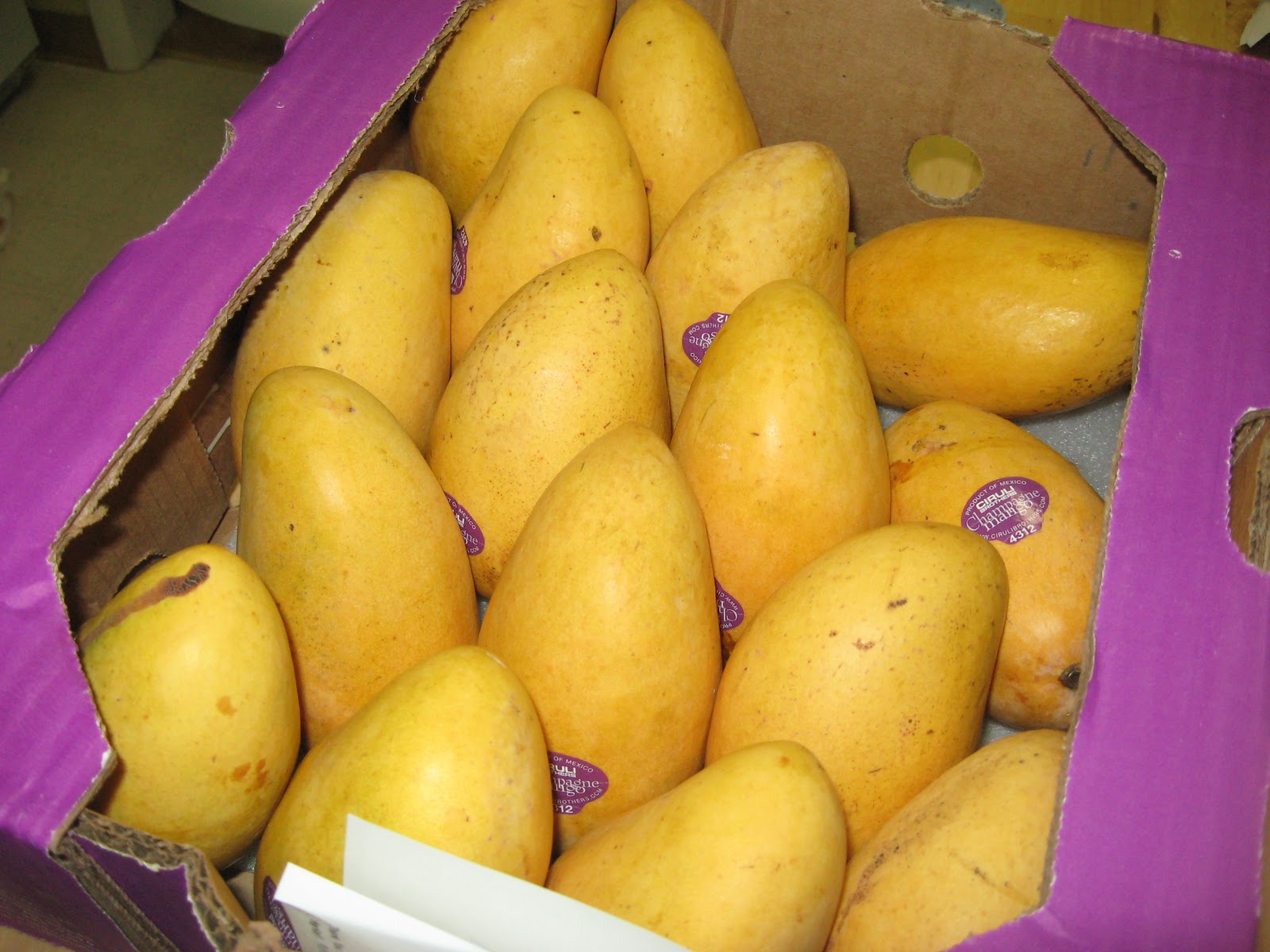 The ban imposed by European Union (EU) on the import of Indian mangoes has caused bane to India but could prove a boon for Pakistan. The ban became effective from May 1 and would last until December 2015. This punitive step has been taken by EU after Indian mangoes were found heavily infested with fruit flies, contaminating mangoes, much to the disenchantment of EU quarantine authorities.
Director, Harvest Trading and Horticulture Expert, Ahmad Jawad, told Business Recorder that the ban offers a unique opportunity to Pakistani exporters to pounce and grab the God send opportunity and expand their business to capture the large market. It is the right time for Pakistani exporters to push their product into high value European markets so that mango lovers may not feel any shortfall, especially in EU where Pakistan has been awarded GSP Plus status earlier, he said.
He suggested that “the government and its allied departments should impose strict monitoring of mangoes this year so that we have a complete swat over the EU and UK markets. Permission should be granted to only those exporters who are prepared to comply with the set of EU protocols.
Concerns in Pakistan have been heightened recently, as the fear lurks that a similar ban may not be imposed on Pakistan as well. To stall any such move on the part of EU, Pakistani mango export industry is promoting the use of hot water treatment (HWT) along with looking after Global Gap mango farms that have been following “Good Agriculture Practices” (GAP) so that fruit fly and other pests may be destroyed before dispatching the shipments.
In HWT mangoes go through a thorough cleaning system where they are treated in hot water at temperatures of around 48°C (118.4°F) for approximately an hour, dried, packed and cold treated. This facility has already been approved by importing countries including Australia, South Korea, Mauritius, and Lebanon. It is open to all in the fresh produce exporting trade.
Jawad emphasised that our exporters must have excellent knowledge of the sanitary and phyto-sanitary standards as applicable in EU and UK markets. The impact of ban on Indian mangoes has turned into a controversy not only in India, but in the UK and Europe, and many importers, retailers, growers and politicians are branding the prohibition as a punitive and over-reactionary measure and have started active lobbying to show how seriously they have taken up the issue and have further filed E-petition with the authorities concerned for the reversal of the ban.
Pakistan is second ranked behind India in the export of mangoes. To ensure pest free exports of mangoes EU has also sent a serious warning to the Department of Plant Protection (DPP), Pakistan to take steps to control the harmful organisms while exporting fruits and vegetables. EU’s protective measures have entered into force temporarily halting the import of certain fruits and vegetables from India, after pests which could threaten European farmers’ crops were discovered in 207 consignments from India in 2013. The pests found were mainly insects, such as non-European fruit flies which resulted in putting ban on India.
These emergency measures were proposed by the European Commission and endorsed by EU member states, with full support from UK’s Department for Environment, Food and Rural Affairs (Defra). EU measures aim to protect European crops and consumers. However concerns in Pakistan have been heightened recently following the ban on Indian mangoes exported to the EU. Keen not to suffer a similar fate, Pakistani mango export industry is promoting the use of hot water treatment (HWT) along with looking after Global Gap Mango farms that have been following Good Agriculture Practices so that fruit fly and other pests are destroyed and healthy fruit is shipped to EU countries.
Indian mango exporters also claim that they already use hot water treatment to cleanse mangoes before they are dispatched. It has to be seen as to what extent HWT facility would satisfy the EU and UK authorities. It is high time for Pakistani exporters to cash on the situation and push their products European markets so that mango-lovers may not feel any shortfall. This could be achieved only if the Department Plant of Protection strictly monitored mango consignments via sea port/airport while dispatching to EU. Pakistan Horticulture Development Export Company (PHDEC) has also sent intimation to DPP and to the ministry concerned so that proper SoPs are laid down on priority basis through consultation.
Business Recorder
Related articles