RSS Feed
 Email
 Twitter
 Facebook
Dairy sector capable of contributing $4-6 billion annually if given incentives
Share this Article
 Twitter
 Facebook
 Delicious
 Digg
 Stumble
 Reddit
Related Posts
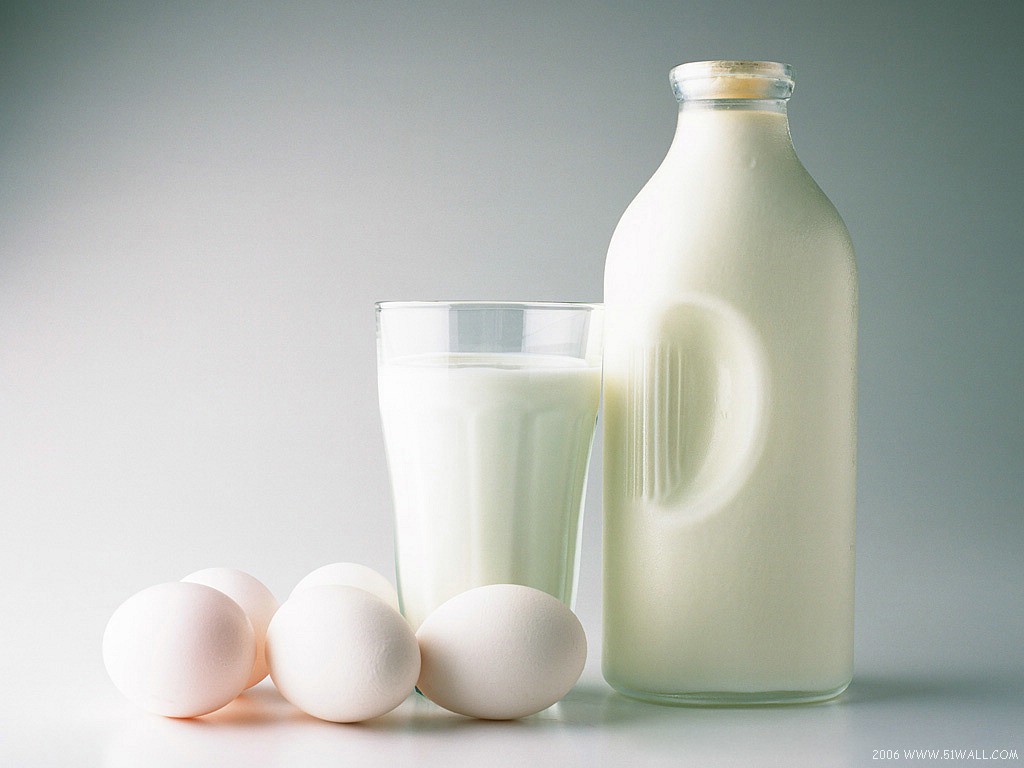 Dairy sector has the potential to contribute around USD 4-6 billion annually to Pakistan’s economy, given favourable conditions and incentives that encourage investment.
Chairman, Pakistan Dairy Association (PDA), Anjum M.Saleem told Business Recorder here on Saturday that Pakistan is the world’s third largest milk producing country, with an annual output of approximately 37 billion liters. According to the Economic Survey of Pakistan 2012-13, the contribution of the dairy sector to our national GDP is 11.7 per cent. The dairy sector also provides employment to millions and livestock is raised by more than 8.5 million small and landless farmers in rural areas, most of which is also used as a dairy source.
Talking about the impediments to the milk demand-supply equation in Pakistan, he said that the demand and supply gap is a massive challenge facing the dairy sector which calls for long-term strategies and small-scale programmes to achieve long lasting success. Less than 5 per cent of the milk produced in the country is processed and reaches consumers through formal markets. The remaining is ‘loose’ with no quality checks, pricing, branding or identity.
He said that organised dairy industry in Pakistan is fully cognisant of the challenges it faces in terms of helping farmers adopt better farm practices to increase milk production and improve quality. For instance, Pakistan Dairy Association’s member industries conduct training programmes and help farmers increase yield per animal, taking care of their animals, focusing on their hygiene and adopting modern farming practices.
The majority of dairy farmers are small-scale cattle breeders. It is essential that they know the modern methods and techniques by which they can increase their animals’ yield. To train these farmers, leading industry players have established centers that train around 5,000 small dairy farmers annually.
When asked as to what will be the effect in case the government withdraws the Statutory Regulatory Order (SRO) 670(I)/2013, which pertains to zero rating on milk, the chairman PDA said in case the tax regime is changed, which includes even a change from zero rating to an exemption of sales tax (let alone an imposition of sales tax), the price of only a litre of milk could increase by at least rupees six. The overall sales of the entire dairy industry are likely to decline by 20 per cent. A change in taxation regime will reverse the development that has taken place in the dairy sector in the last few years, in terms of investment and overall share of the milk processing industry. In case sales tax is imposed on the dairy sector, it will wreak havoc by raising inflation and create a nutrition and food security crisis.
Anjum M. Saleem, on the question whether Pakistan’s large milk sector offer enough potential for foreign investors, he said: consider this fact that USD 700 million has been invested in Pakistan’s dairy sector in the last 5 years. The potential is enormous because of the huge vacuum that exists. We remain a country with one of the highest farm-gate prices. This is because there are no subsidies available to the farmer when it comes to buying or selling of animals, raising them or feeding them. Also, the informal sector is literally calling out foreign investors as it lacks proper cold storage and conservation mechanisms. People looking to invest will do so but only if they see good returns and for that, the government needs to adopt a business-friendly approach.
The chairman, PDA said Pakistan could learn a lot from other milk producing countries to increase its milk yield. An encouraging sign is that Pakistani authorities are taking note of the successes which Turkey has enjoyed in the last 10 years. They are looking to emulate this in Pakistan. In Turkey, the government provided necessary support and assistance to the dairy sector in the form of subsidies and also an enabling taxation regime which covered such sub-sectors as: breeding, feeding, quality testing, processing and others. As a result, packaged milk consumption increased from 30% in 2002 to 70% in 2012. In addition, the competitiveness of the sector improved greatly as did the country’s health figures.
Another model for our dairy industry could be India where the growth of the dairy sector during the last three decades has been impressive because the government introduced policies for a suitable environment for milk production. “We can also learn valuable lessons from Iran and China who have increased their milk production by adopting modern dairy farming techniques, importing productive animals and making the supply-chain mechanism efficient,” he said.
Apart from zero-rating and subsidies, the government could support the processed milk sector by continuing the current policy that enables dairy industry to claim input costs. This will give the investors’ confidence because they will see that the government has a consistent policy. In addition, it could also regulate the informal dairy sector that hardly pays any taxes but sells milk at a slightly lower price than packaged milk. At present, loose milk is available at around Rs80-90/kg in some areas of the country while the price of packaged milk is Rs95-100/litre. The government ought to expand the tax net to cover the unprocessed dairy industry (more than 90%) which is untaxed rather than making the processed dairy sector bear the brunt of additional taxes.
Business Recorder
Related articles