


 RSS Feed
 Email
 Twitter
 Facebook
Animal welfare in agriculture an issue
 Twitter
 Facebook
 Delicious
 Digg
 Stumble
 Reddit
 Animal welfare is increasingly becoming more of an issue in the agriculture industry.
Tougher transporting laws are resulting in hefty fines to truckers if an animal goes down in transit. An animal that is shipped to a packing plant and condemned there can cost the auction market or producer $250 to $300. Auction markets and slaughter plants are refusing cattle with cancer eye or are thin or arthritic. In other words producers need to be culling their animals sooner or disposing of them in a humane manner at home.
New Canadian animal welfare requirements are expected in slaughter plants by 2013. At the moment there is not a federal humane slaughter code of practice. With a new set of guidelines and written records, some of the cruelty charges can be better addressed. The changes are going to be tested in four plants for about three to four months and one of the pilot projects will include a horse slaughter facility. Following the pilot, officials will assess where amendments are needed before a full program is rolled out for all the species.
While some rules and regulations are different between Canada and the United States, the American Meat Institute livestock guidelines serve as a basis for animal welfare practices. Written 20 years ago with the aid of animal behaviorist Temple Grandid, who recently made a presentation in Vanderhoof, the AMI guidelines establish numerous targets for acceptable practices. For a copy of the guidelines and a great deal of pertinent information go to www.animalhandling.org. It is expected there will be an increase in the number of auditors used and an improvement in the consistency of the audits to better monitor the program.
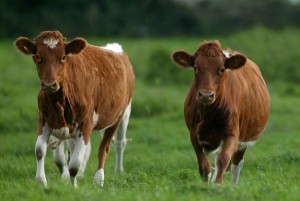 The SPCA has a certified standard based on the Recommended Codes of Practice for the Care and Handling of Farm Animals; this standard was originally developed by the Canadian Agri-Food Research Council and is now overseen by the National Farm Animal Care Council. The standard is based on the following five freedoms of animals.
1. Freedom form hunger and malnutrition
2. Freedom from thermal and physical discomfort
3. Freedom from pain, injury and disease
4. Freedom from distress
5. Freedom to express normal patterns of behaviour
Some of the key components of the SPCA standard are:
1. Egg-laying hens are free from cages
2. Regular monitoring of lameness
3. Pregnant pigs are free from confinement in gestation stalls
4. Dairy calves are provided with pain control during horn bud removal
5. Dairy cows are not tail docked and have seasonal access to the outdoors.
6. Animals are not fed antibiotics for growth enhancement.
Each of the SPCA-certified species-standards set out farm management and housing requirement that provides animals with good welfare.
Most ranchers and farmers already operate in a humane manner with their animals; after all a happy healthy animal is a productive animal and production is directly related to the bottom line. However there have been and still are some people who do not operate in a humane manner and the consumer is demanding the products they utilize come from a humane production system. Consequently restaurants and retail businesses are starting to reflect this demand.
Each of the SPCA certified species-standards set out farm management and housing requirement that provides animals with good welfare.
Incoming search terms:
- current issues in animal agriculture
- Animal Welfare Issues in Agriculture
- animal issues in Agriculture
- animal agriculture issues
- welfare issues with agricultural animals
- welfare issues in agriculture
- issues in animal agriculture
- humane issues with animal agriculture
- concerns in animal cruelty to agriculture animals
- 2014 agricultural animal issues